 Call us now:

Sharp Updates, No Clutter
News, new releases, and announcements are sent to the inbox only when there is something worth sharing.
Best Sellers
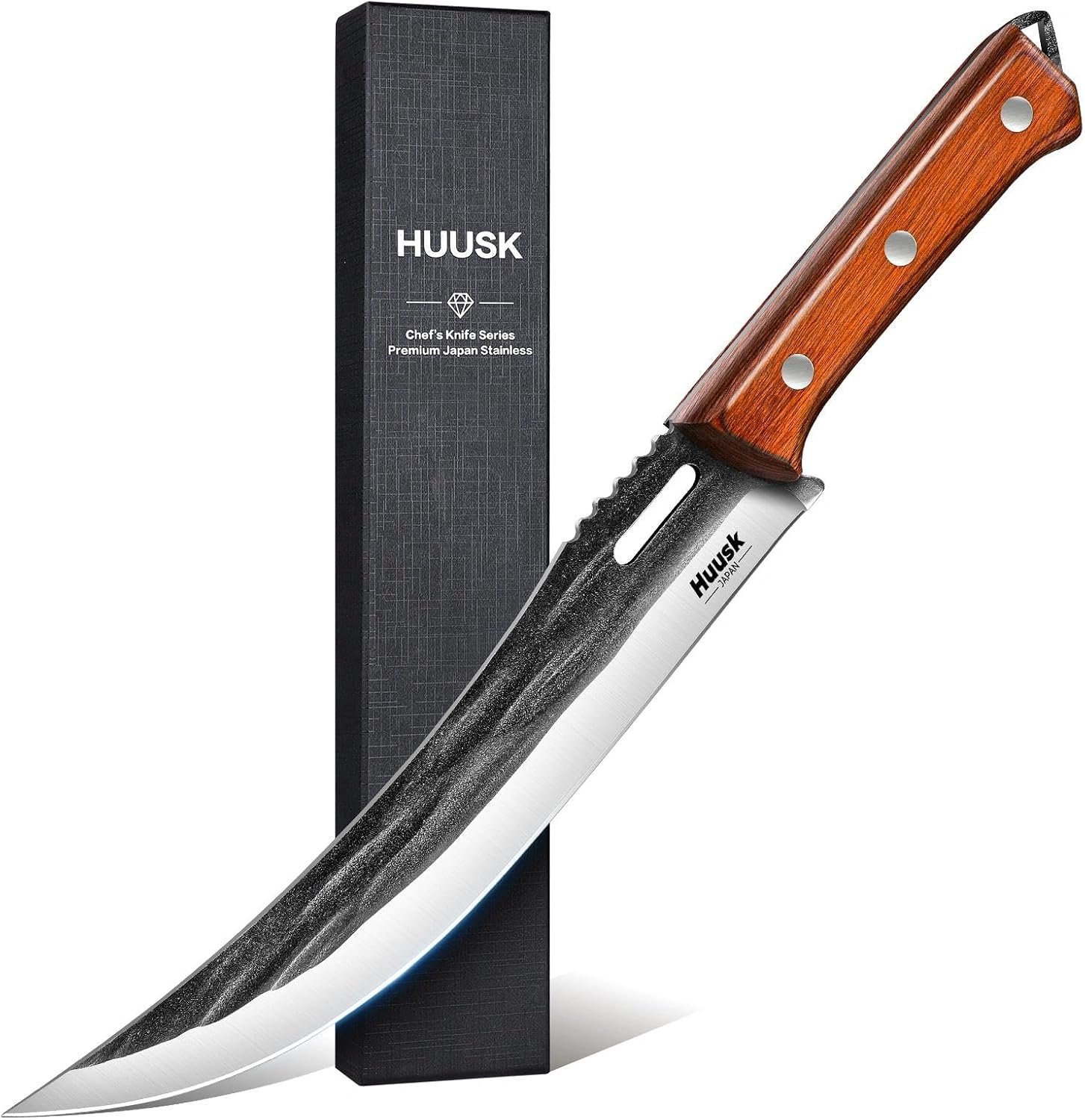
Japanese High Carbon Steel Carving Knife
The full-tang construction and ergonomic handle provide a balanced, secure grip that fits comfortably in the hand and stays firmly in place during use.
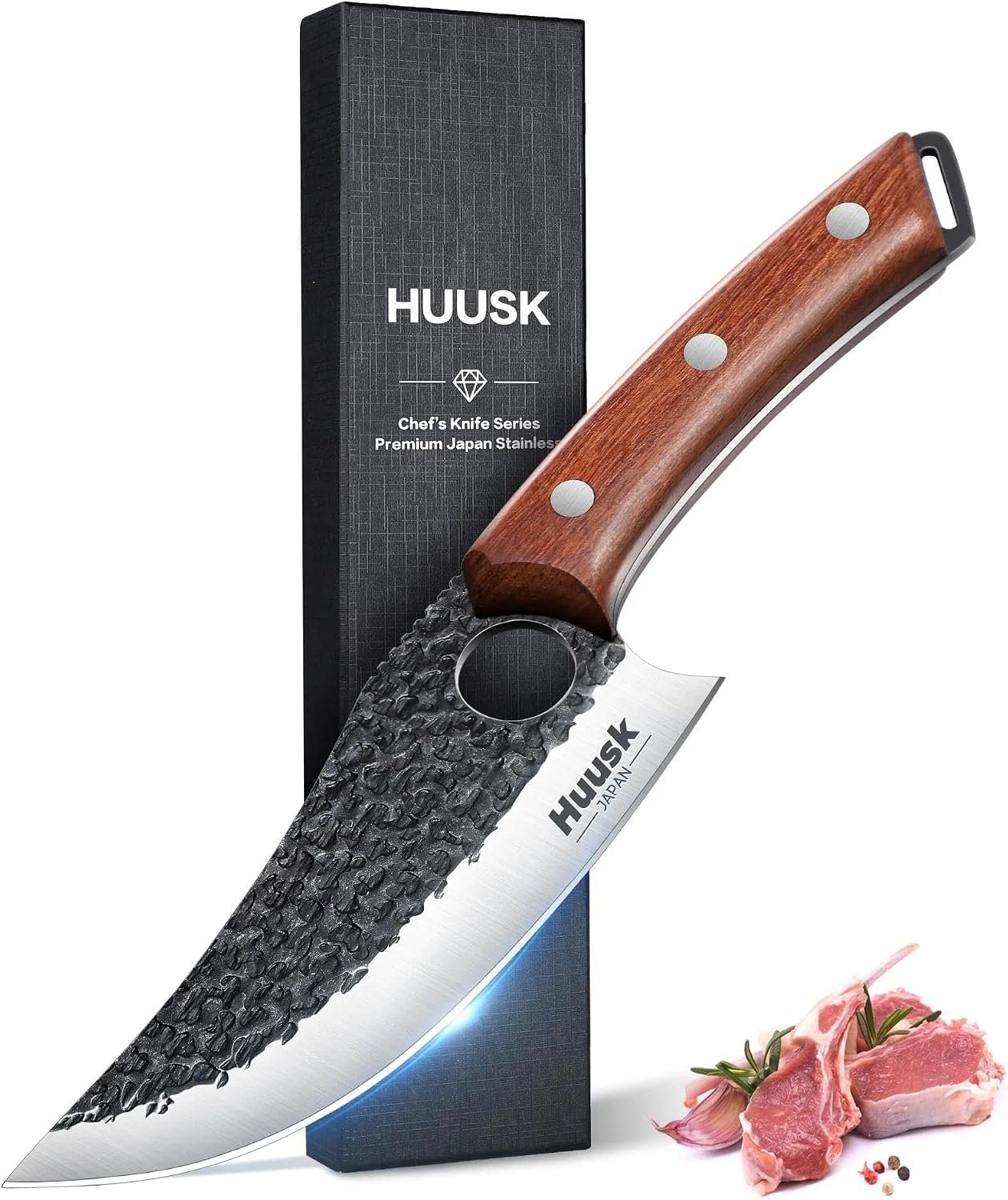
Viking Hand Forged Butcher Knife
Made from premium Japanese steel, this Huusk Viking meat knife offers exceptional durability and long-lasting sharpness.
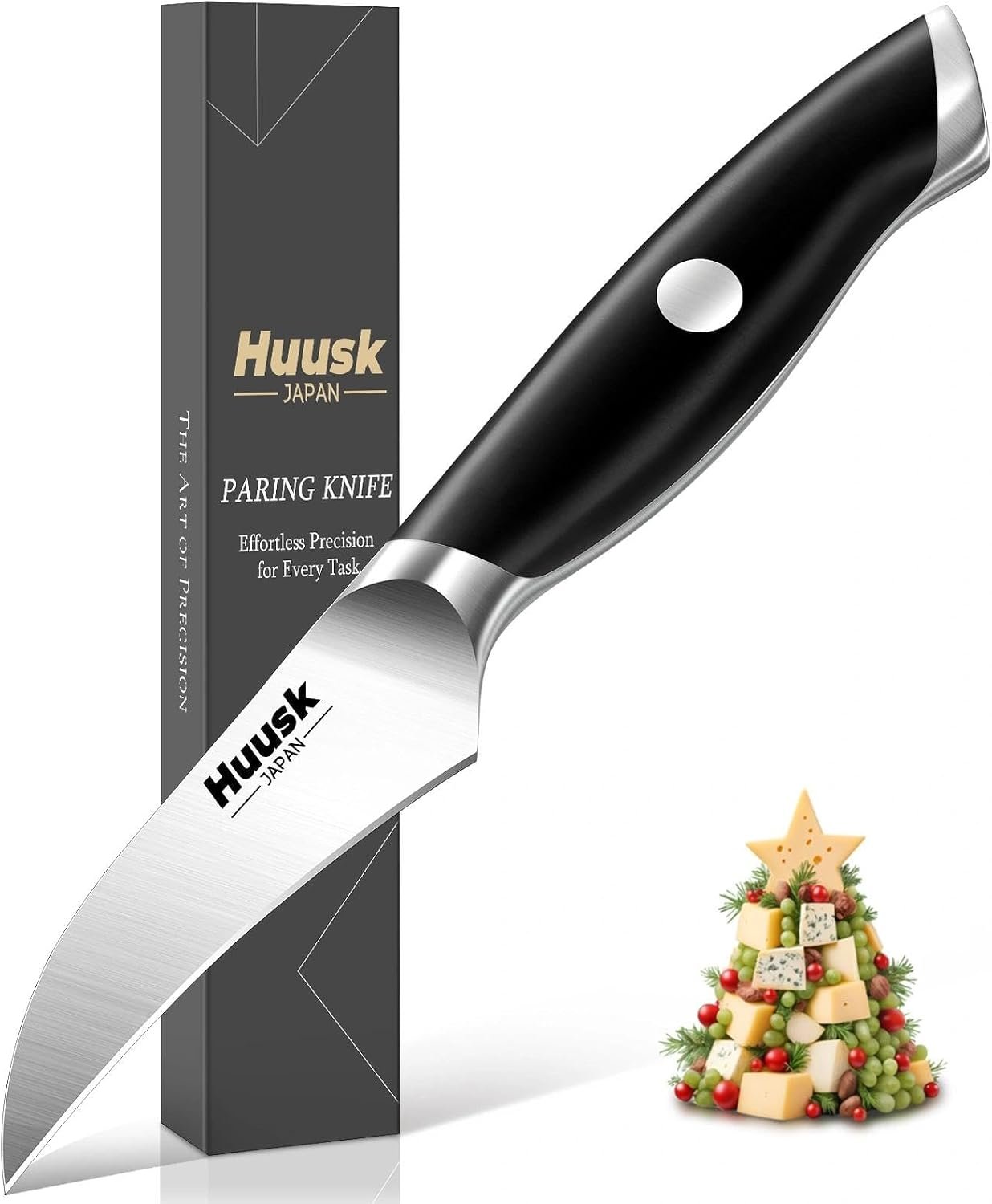
Birds Beak Small Kitchen Paring Knife
The pairing knife features a sleek black resin handle with a modern, stain-resistant finish and professional culinary styling.
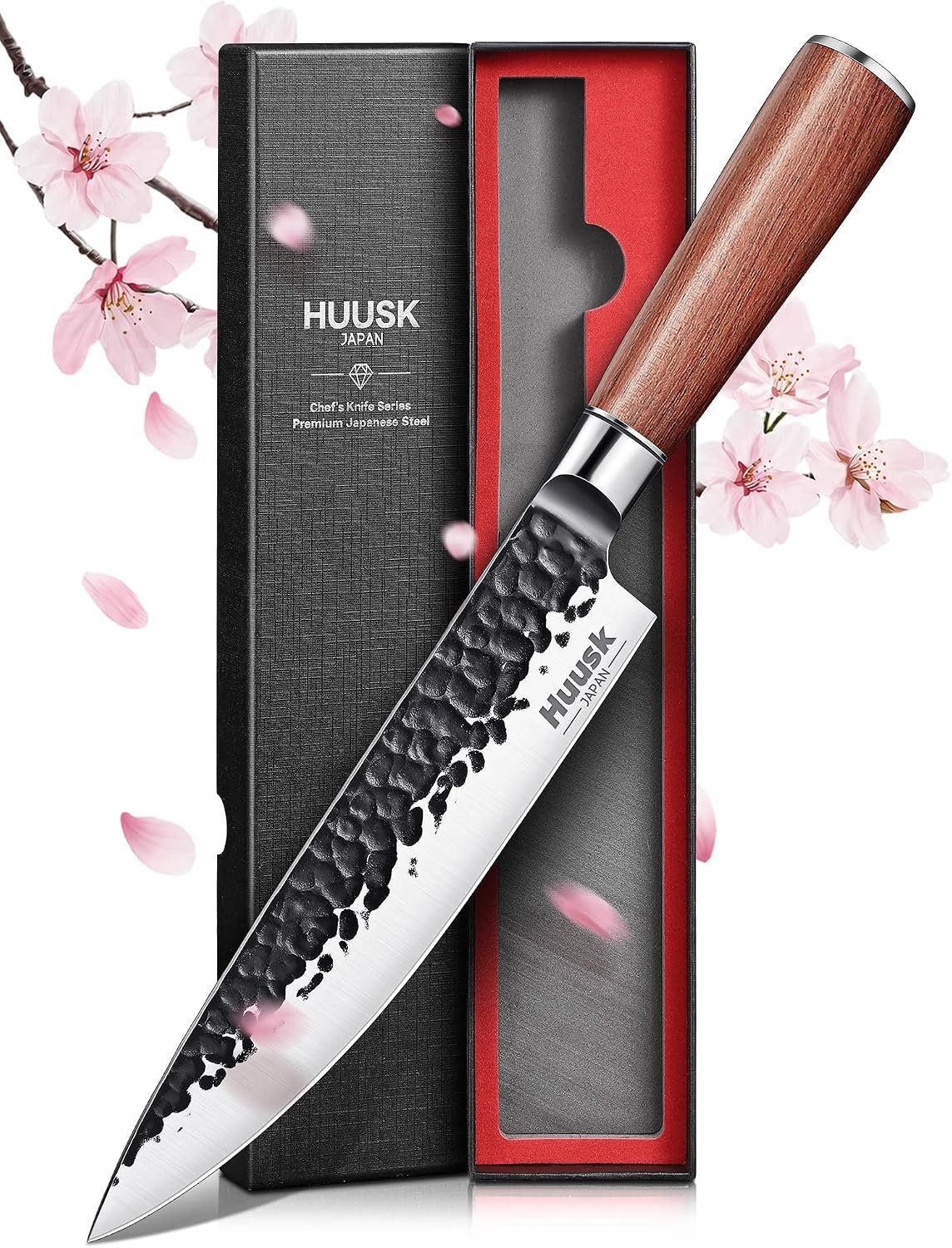
Ultra Shape Kitchen Knife for Cooking
Features a distinctive curved blade designed for effortless, precise cutting, making it an ideal tool for preparing meat and chopping vegetables.
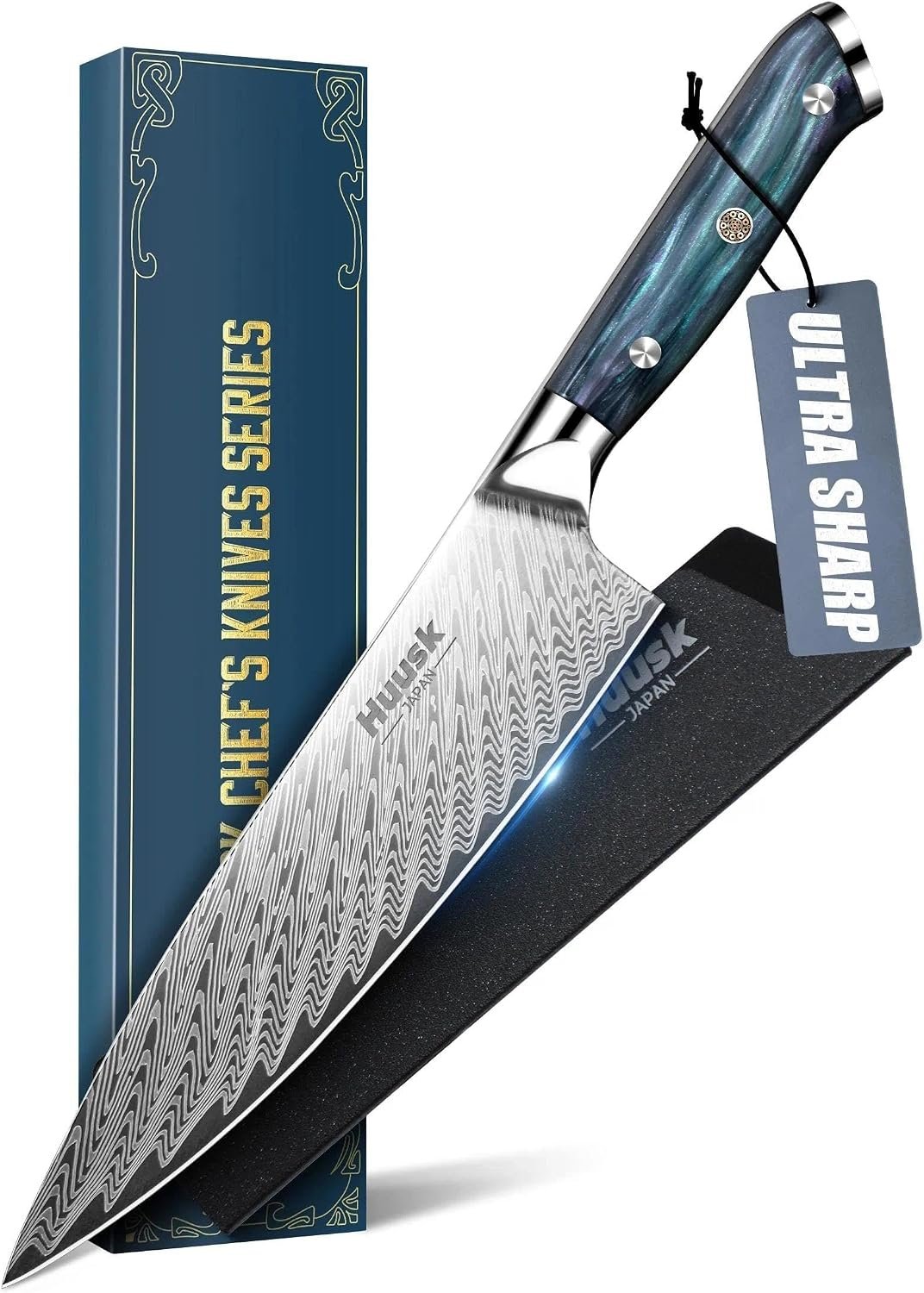
Ultra Sharp Kitchen Knife with Sheath
Crafted from premium Japanese high-carbon stainless steel, this 8-inch chef’s knife offers exceptional strength and durability.
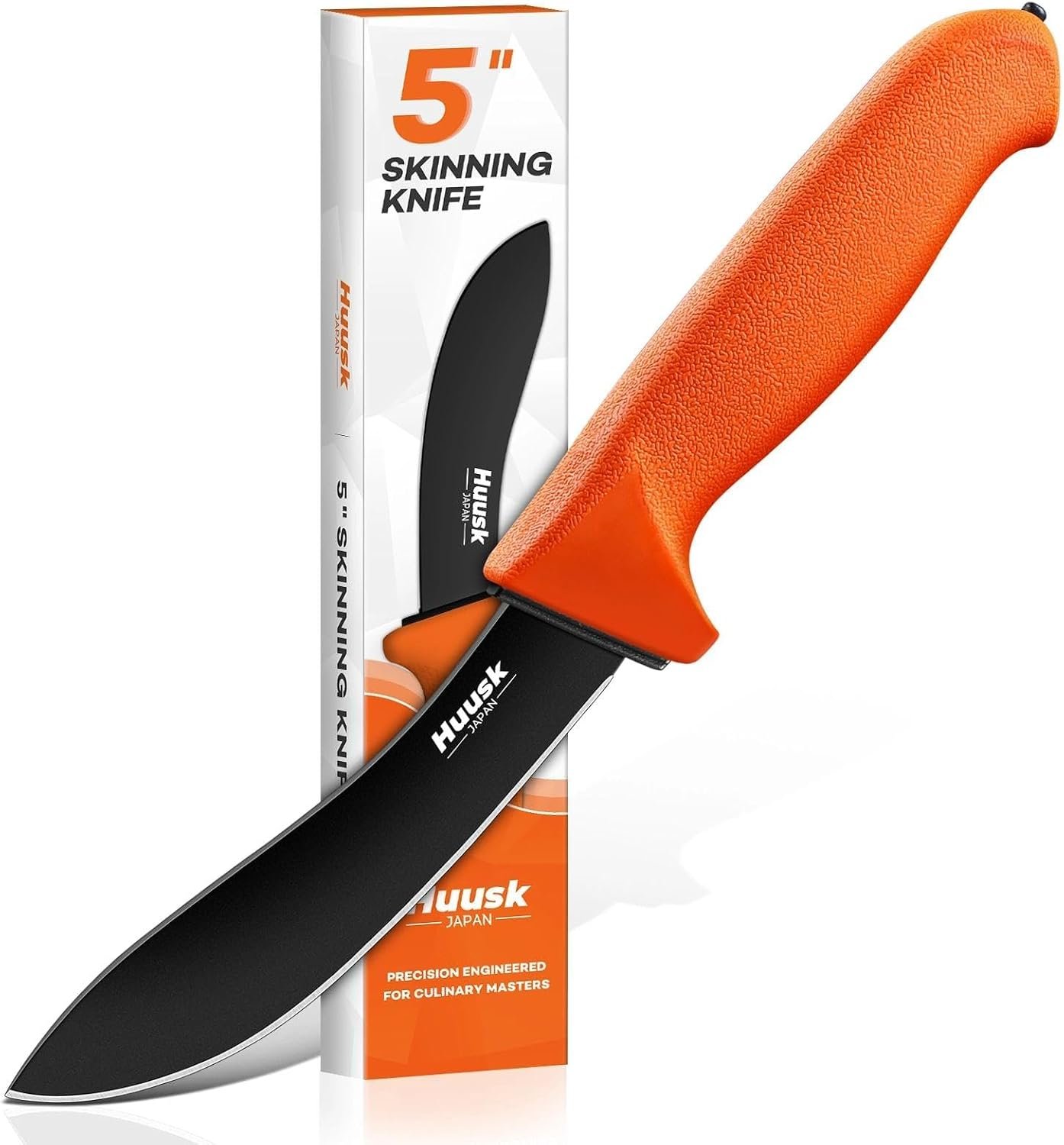
Curved Oval Processing Knives
This skinning knife features a thin, lightweight, curved oval blade designed to maximize surface area and minimize movement for efficient skinning.
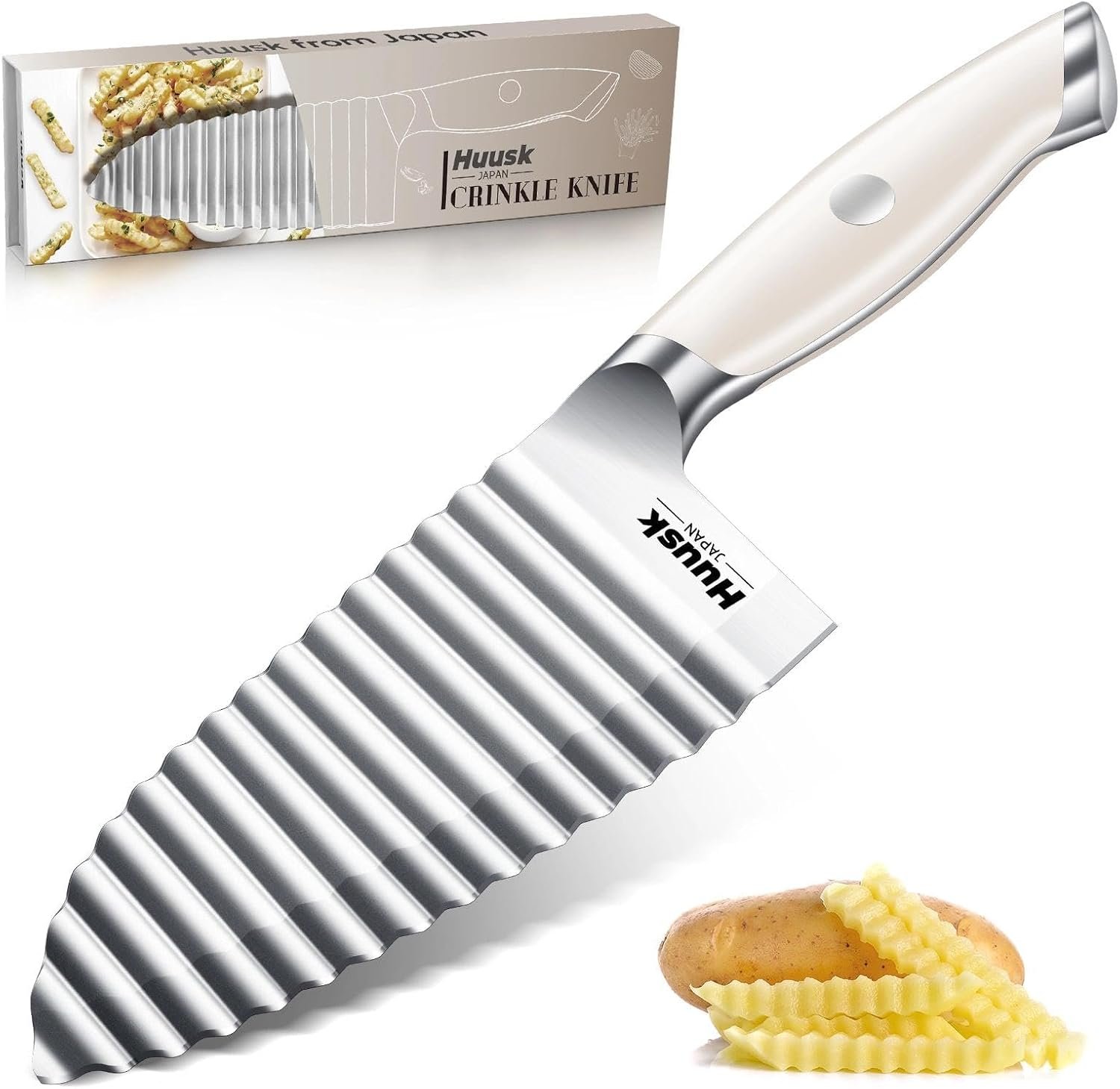
Deep Wavy Heavy Duty Crinkle Cut
This premium crinkle cutter knife is professionally hand-sharpened to effortlessly slice through tough root vegetables and sweet potatoes.
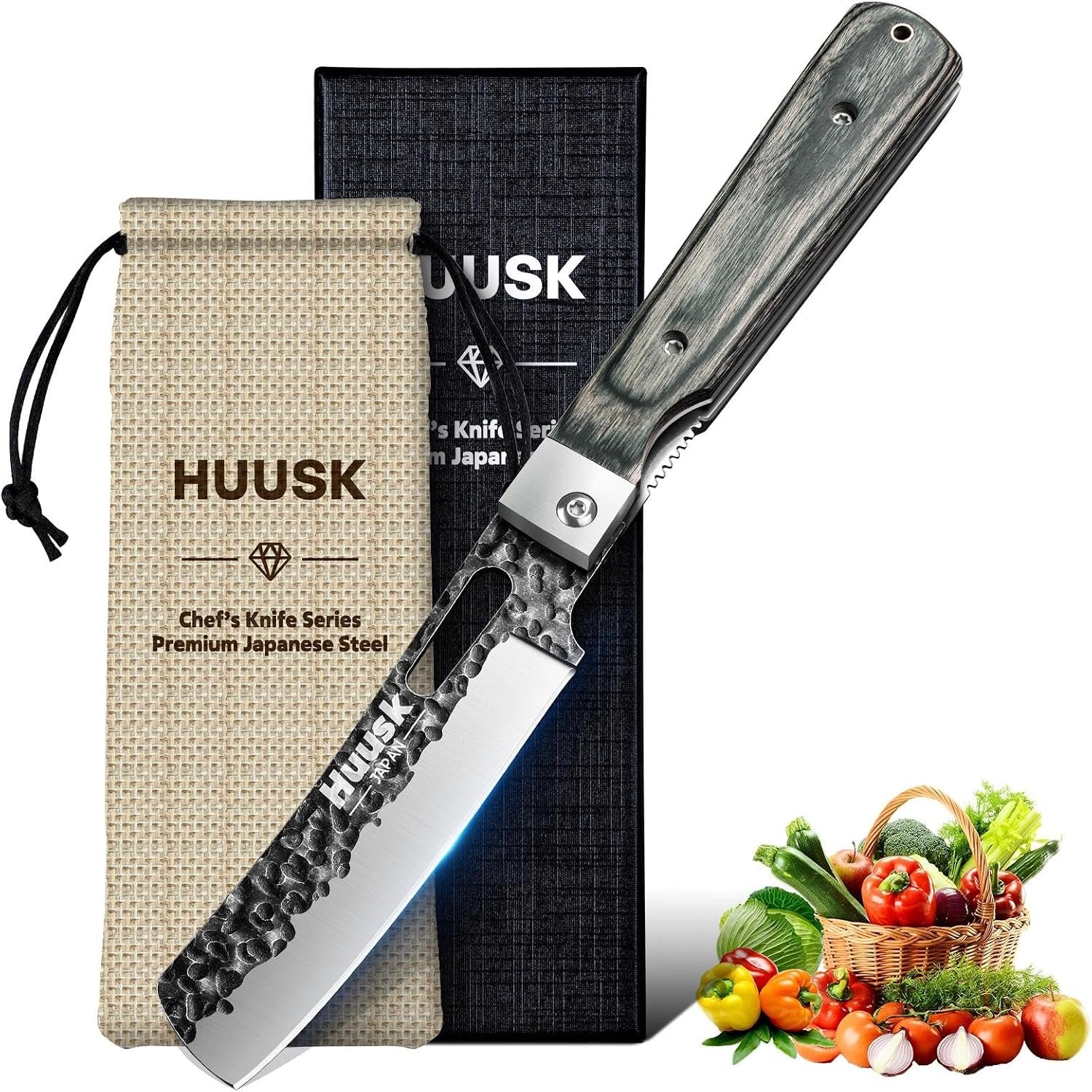
Japanese Folding Nakiri Knife
The Folding Nakiri Knife is crafted from premium ATS-34 high-carbon steel, featuring an ultra-sharp blade and excellent wear resistance.
Categories
Cut Clean, Every Time
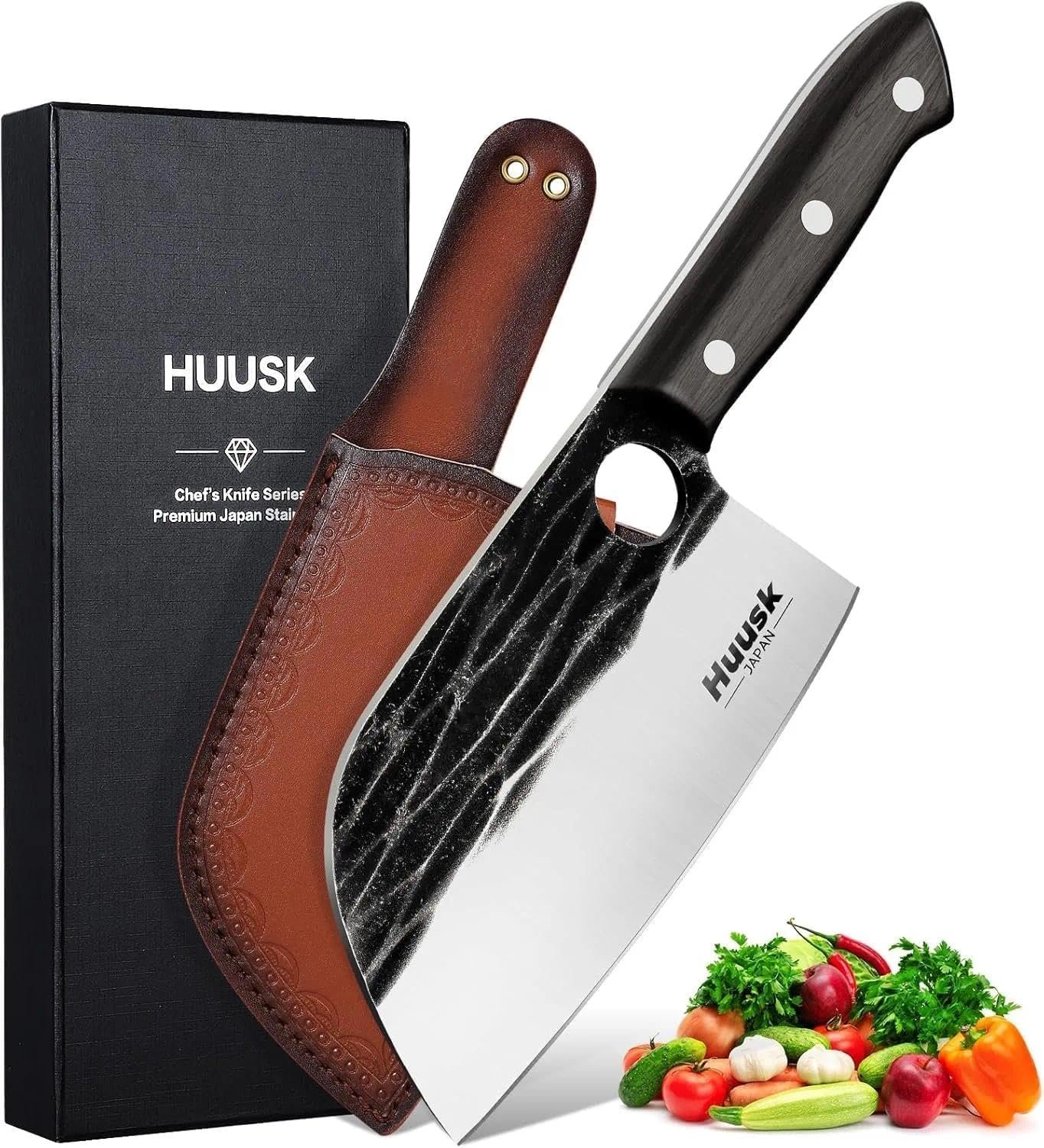
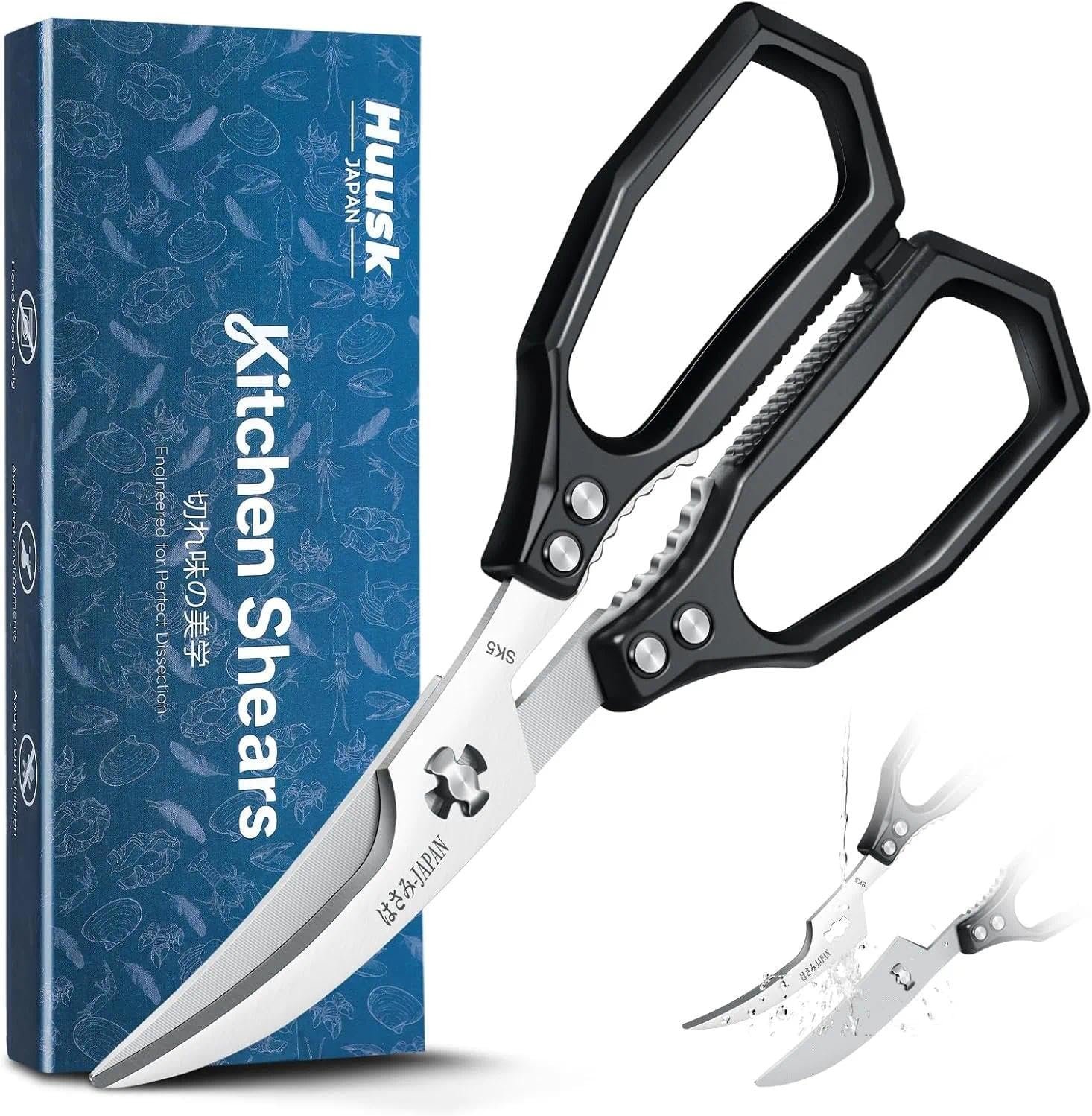
Huusk makes kitchen knives for people who actually cook, not just people who own a knife block. We started with a pretty ordinary frustration: most knives look sharp on day one and feel like a butter spreader by month three. So we built ours around the part that matters at 6 p.m. with onions waiting, which is an edge that stays an edge and a handle that doesn’t fight your grip once things get wet and greasy.
That meant getting picky about the unglamorous stuff. Blade steel, balance point, how the handle sits in your palm after twenty minutes of chopping instead of two. We’ve sliced through enough tomatoes, squash, and stubborn chicken joints to know that a knife can look beautiful on a countertop and still slip, drag, or go dull when it’s asked to do real work. When a design didn’t hold up in a working kitchen, we scrapped it. It’s slower than copying whatever’s selling, but we’d rather hand you one knife you reach for every night than a set you admire once and forget.
If you’re the person who cooks dinner most nights, who winces at a blunt blade and has quietly given up on the drawer of mismatched knives, this one’s for you. You don’t need a dozen tools. You need the one that’s already in your hand when the cutting board comes out, and does its job without making a fuss.
Cuts That Earn Their Place
“The handle is what sold me. Wet hands, greasy hands, doesn’t matter. It sits in my grip without that slippery feeling my old knife had after ten minutes of chopping.”
Marta S.
“I was skeptical of the hammered pattern on the blade, but food actually releases from it. Sliced cucumbers for a party and they weren’t stuck to the side once.”
Hannah R.
“Bought it for butchering a whole chicken on weekends. The blade follows the joint instead of fighting it, and cleanup takes thirty seconds under the tap.”
Olek P.
Complete Your Kitchen Setup
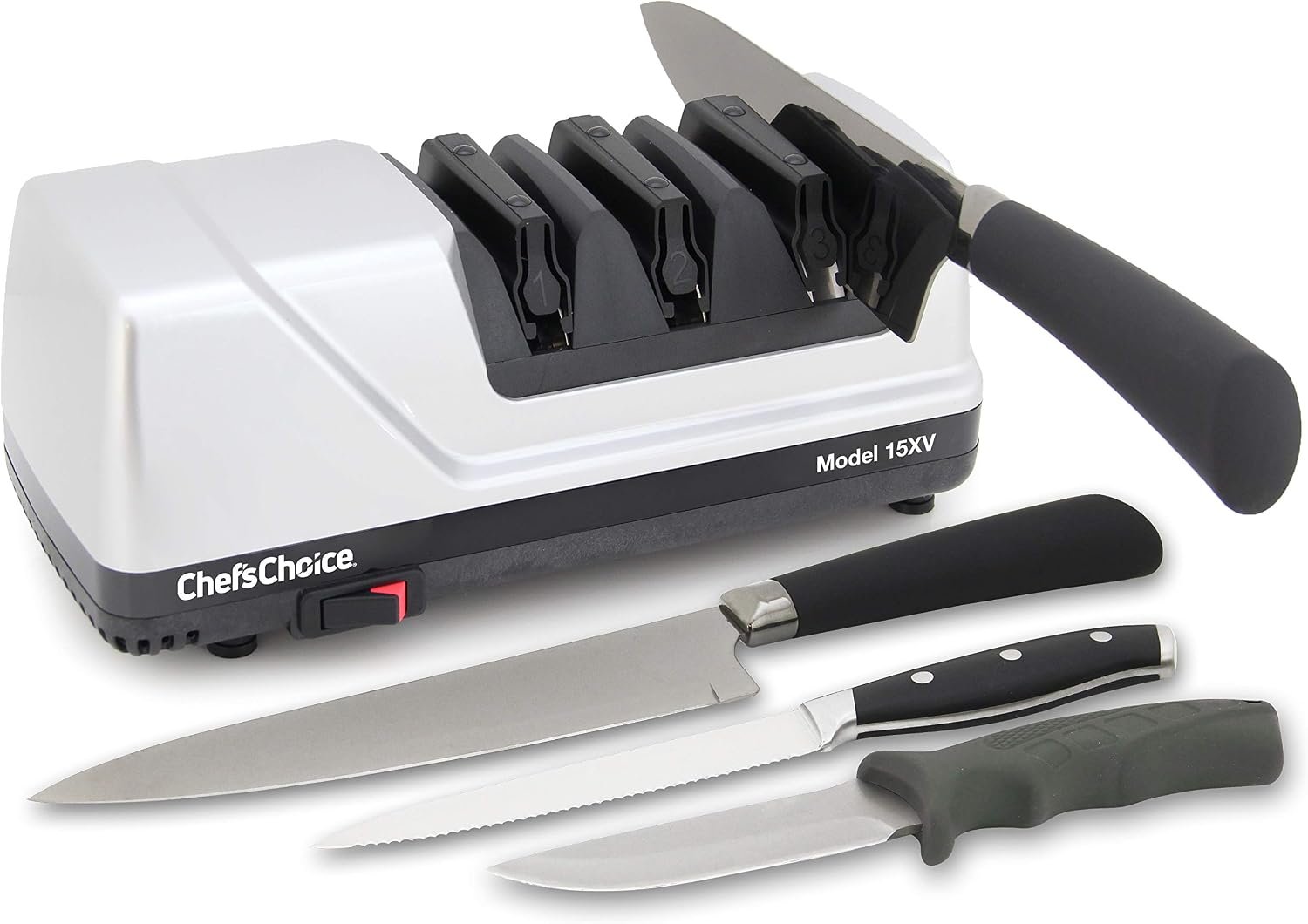
Knife Sharpeners
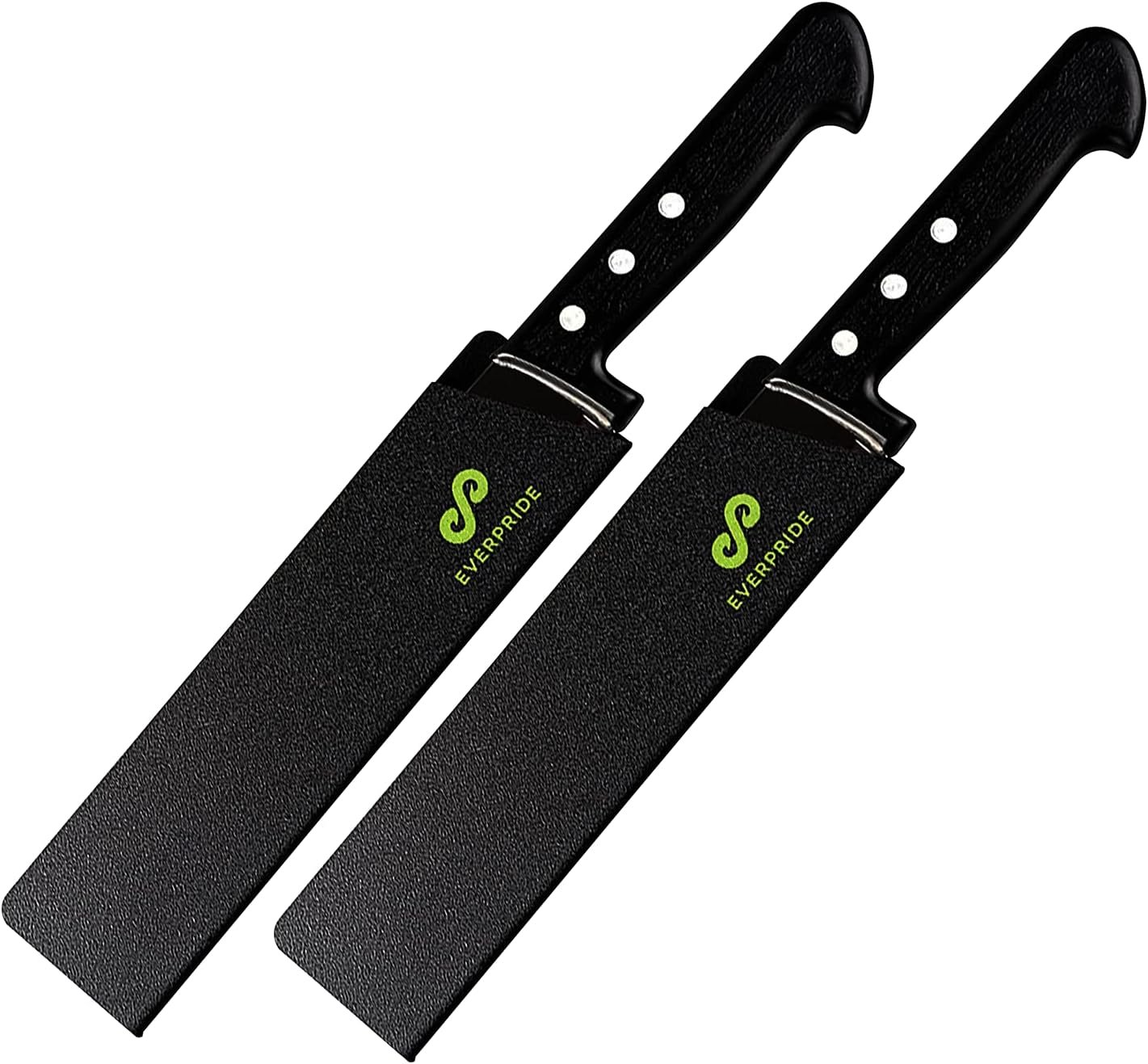
Knife Sheathes
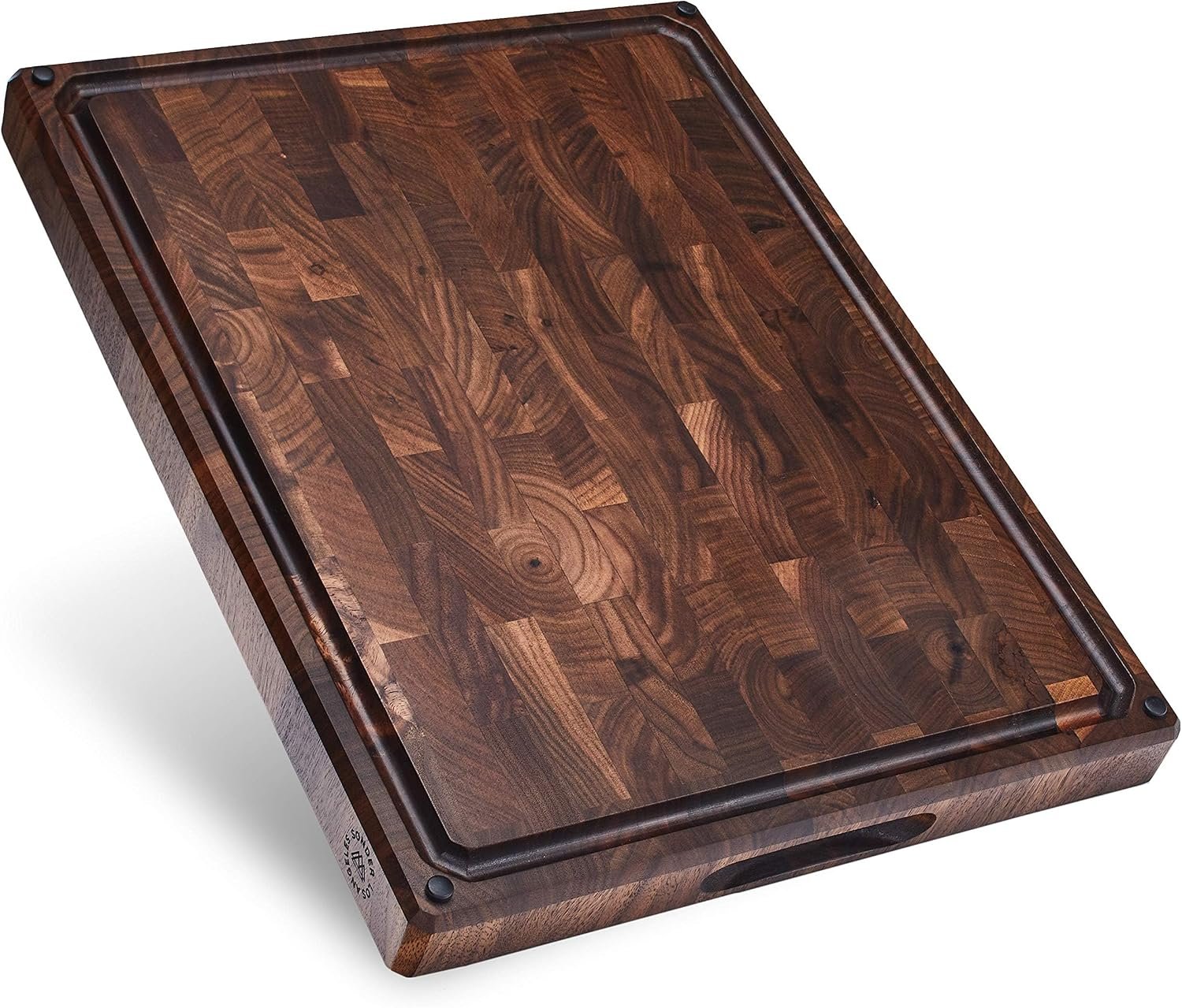
Cutting Boards
Before the First Cut
Most versions use high-carbon stainless steel paired with a wood or wood-composite handle. The steel resists rust better than plain carbon steel, but it isn’t rust-proof. Leaving it wet or damp for long stretches can still cause spotting, so drying it right after washing is worth the few seconds.
Hand washing is the better choice. Dishwasher heat, harsh detergent, and knocking against other items can dull the edge and dry out or loosen the handle. Warm water, mild soap, and a soft cloth are enough for everyday cleaning.
Hard bones, frozen items, and thick squash are better left to a heavier cleaver. A thin, sharp edge is designed for slicing meat, vegetables, and fish, and forcing it through dense material can chip or bend the blade.
Clear photos of the issue, along with the order number, sent to the seller soon after delivery are the fastest route to a replacement or refund. Manufacturing defects are generally covered within the return window. Chips, bends, or dullness from misuse, such as cutting bones or using it as a pry tool, usually aren’t.
That depends on how often it’s used and what it’s cutting. With regular home cooking, a honing rod every few weeks keeps the edge aligned, and a whetstone or a quality sharpener once or twice a year usually covers the rest. A cutting board made of wood or plastic, rather than glass or stone, slows dulling noticeably.
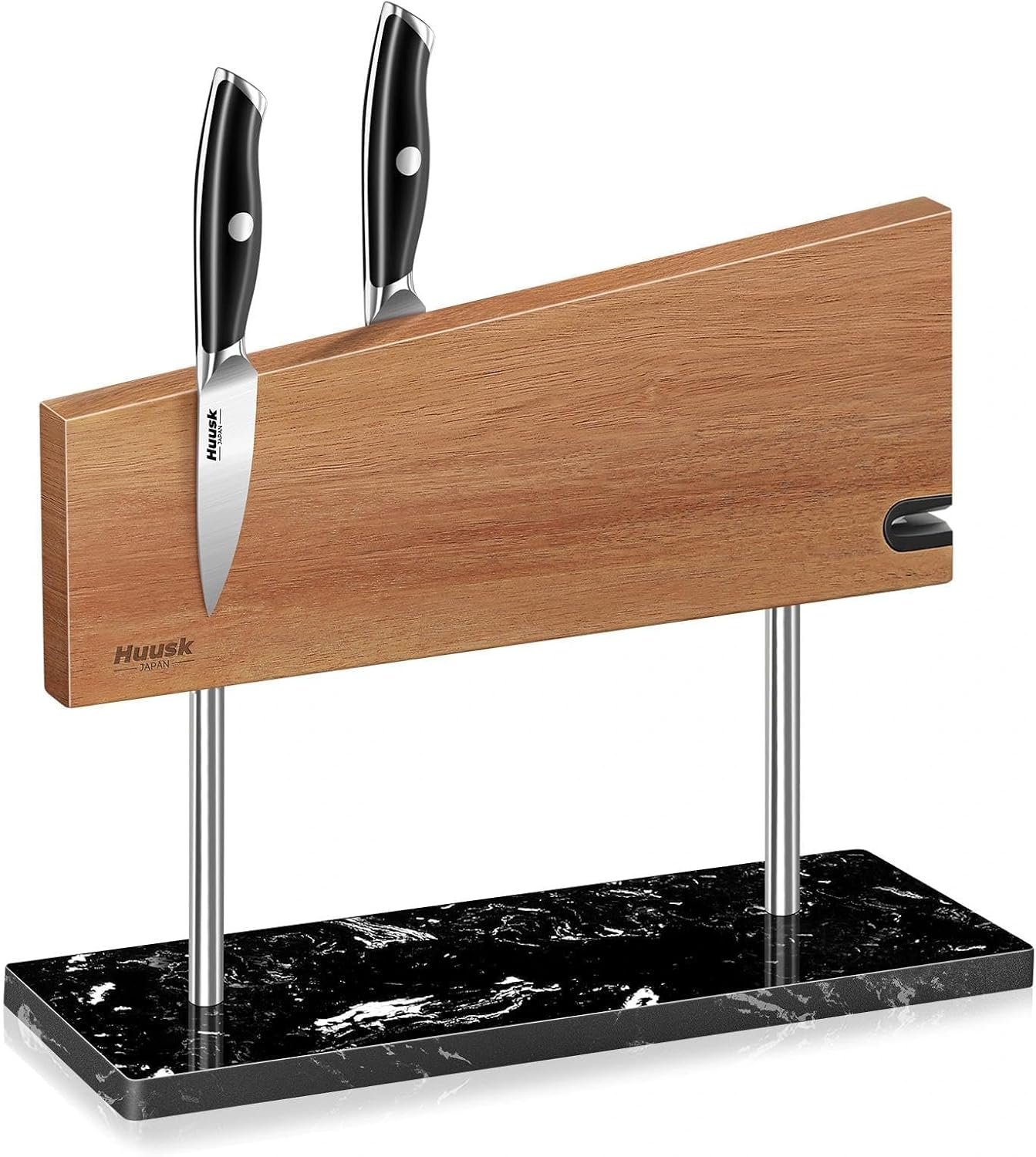
A knife block, magnetic strip, or sheath keeps the edge protected and keeps fingers out of harm’s way. Tossing it loose into a drawer with other utensils is the quickest way to nick the edge. It should also be kept out of reach of children.